# After Ramadan: How to Keep Your Quran Habits Alive All Year
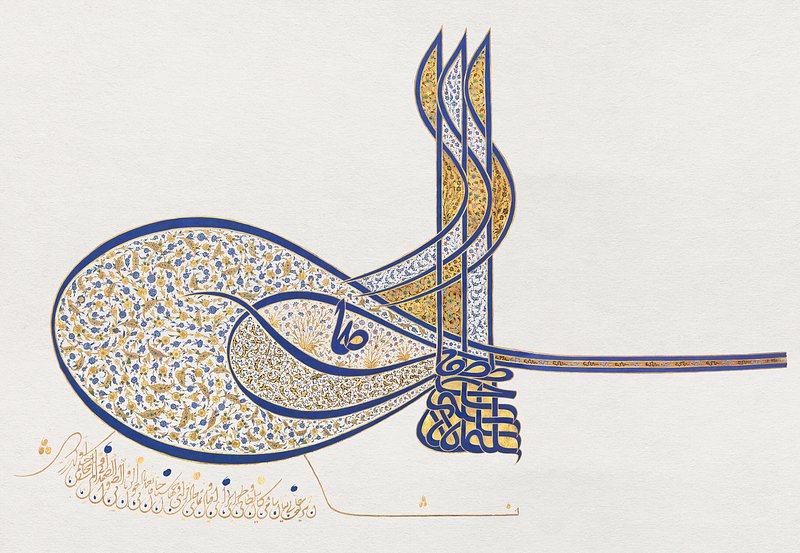
Photo source: Islamic imagery collection
Something happens every year around the 3rd day of Eid. The beautiful Quran habit you built across 30 nights: the daily tilawah, the post-taraweeh reflection, the morning suhoor recitation: begins to quietly disappear. Life resumes its regular pace. Ramadan was extraordinary; ordinary life is, well, ordinary.
By the second week of Shawwal, many Muslims have returned to exactly the same level of Quran engagement they had before Ramadan began. The month gave them a sprint. What they needed was a shift.
This guide is about making that shift: using what you built in Ramadan as the foundation for a year-round Quran practice, not just a seasonal one.
Why Post-Ramadan Drop-Off Happens
The Ramadan structure is heavily scaffolded. Fasting creates natural spiritual alertness. Taraweeh provides a nightly Quran session you did not have to organize. The community atmosphere of the mosque keeps you showing up. The knowledge that the month is limited creates urgency.
After Eid, all of that scaffolding comes down simultaneously. No fasting, no taraweeh, no communal intensity, no urgency. If your Quran practice was entirely sustained by Ramadan's external structure, it collapses with the structure.
The solution is to identify which habits from Ramadan were intrinsically motivated (you wanted to do them) versus which were entirely externally driven (you did them because Ramadan made it easy). Only the intrinsic ones will survive without work.
The Sustainable Post-Ramadan Quran Practice
Start with your minimum. The Prophet ﷺ said the most beloved deeds to Allah are those done consistently, even if small. In Shawwal, your minimum daily Quran practice might be just 5 minutes: one page, or 5 ayahs. Commit to that minimum before anything larger.
This is not about being impressive. It is about maintaining an unbroken chain. Even one page per day, sustained for a year, equals a meaningful relationship with the Quran.
Keep one Ramadan habit. Rather than trying to maintain everything from Ramadan, identify the one practice that felt most sustainable and most personally meaningful. Was it the morning Quran session at suhoor? Keep the morning time slot (with a shorter window). Was it the nightly verse journal? Keep the journal (with one entry per week instead of one per day).
One habit maintained is infinitely more valuable than five habits abandoned.
Featured Article
Using AyahFinder After Ramadan
Your AyahFinder recognition history from Ramadan is a gift. In the weeks after Eid, revisit it.
Review your Ramadan verse collection: Open your history and read through the verses you identified across 30 nights. This is a record of your spiritual journey through the month. Reading it in Shawwal is a form of gratitude for the month and a reconnection with the verses that moved you.
Pick your 5 favorites: From your Ramadan collection, choose 5 verses that moved you most. Write them in your journal or save them prominently. These become your anchor verses for the coming year: verses you return to in difficulty, in gratitude, and in prayer.
Continue using AyahFinder in daily life: The verse identification habit does not require Ramadan to function. Keep using AyahFinder during the year whenever you hear Quran in the car, at the gym, at a gathering, or on a show. Each identified verse is a micro-moment of connection.
Building a Year-Round Quran Rhythm
Here is a practical year-round structure based on what Ramadan teaches:
Daily: One page of Quran tilawah (minimum), one dua, one dhikr session. Uses 10–15 minutes total.
Weekly: One longer Quran session (30–45 minutes), one tafsir reading of the week's Friday khutbah surah.
Monthly: Review your AyahFinder history for the month. Identify any verse that particularly resonated. Add it to your personal collection.
Annually: Use Ramadan to significantly intensify all of the above, with the confidence that the daily habits will carry you through the other 11 months.
What to Tell Yourself When You Slip
Missing a day is not failure. It is Tuesday. The people who maintain Quran habits long-term are not people who never miss: they are people who return quickly after missing. The gap between a missed day and the next day of tilawah should be measured in hours, not weeks.
When you notice you have drifted, do not punish yourself with ambition ("I'll read 10 pages to make up for lost time"). Simply return to your minimum. Just the page. Just the 5 ayahs. Continuation matters more than compensation.
Frequently Asked Questions
How long does it take to build a permanent Quran habit? Research on habit formation suggests 60–90 days of consistent practice to form a durable habit. Ramadan gives you 30 days. The 30 days of Shawwal, Dhul Qa'dah, and into Dhul Hijjah are what solidify it.
What if I feel my iman has dropped significantly after Ramadan? This is extremely common and the scholars have addressed it extensively. Iman naturally fluctuates: it rises with worship and decreases with heedlessness. The response is not despair but gentle return: salah, Quran, istighfar, good company. Start small and keep going.
Should I continue with the same surah I was reading in Ramadan? Yes, if you were following a khatm schedule. Pick up exactly where you left off and continue. Treating the Quran as a continuous journey rather than a Ramadan project is the mindset shift that changes everything.
Summary
Ramadan was not meant to be a sprint. It was meant to be a school: 30 intensive days of spiritual practice that teach you how to live the other 335. The Quran habits you built this month are not Ramadan habits. They are your habits now. Protect them, scale them to a sustainable daily rhythm, and let AyahFinder keep the Quran accessible and discoverable throughout the entire year.
Experience AyahFinder Today
Join millions of Muslims worldwide who use AyahFinder to instantly identify Quran recitations. Available on iOS and Android.
Download Free

