# The Voices of Ramadan: Identifying Famous Taraweeh Reciters With AyahFinder
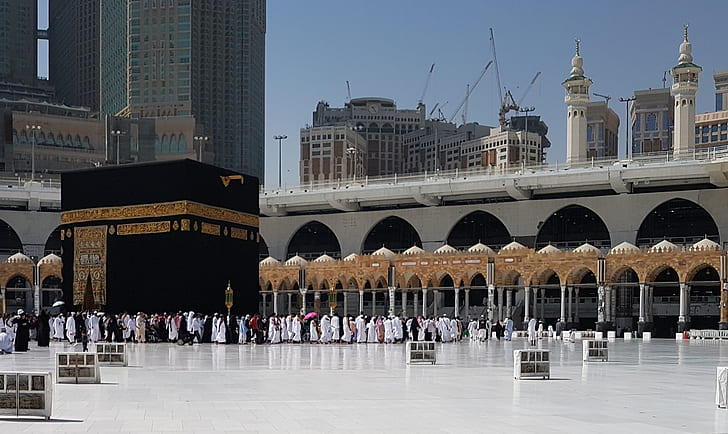
Photo source: Islamic imagery collection
There is a moment many Muslims know: you are in the car, a recitation comes on the radio or plays from someone's phone nearby, and something in the voice immediately settles you. You know this reciter. You know this sound. Even if you cannot place the name, your heart recognizes it.
Ramadan is the season of that experience multiplied. Mosque speakers, YouTube streams, phone speakers at iftar: the voices of the great reciters fill the air everywhere. Learning to identify those voices, and then connecting them to the specific verses being recited, is a profoundly enriching practice. AyahFinder helps with both.
Why Reciter Recognition Matters
Every qari (reciter) brings a distinct approach to the Quran: a combination of maqam (melodic mode), tartil (pacing), and emotional coloring that makes their recitation uniquely theirs. When you know whose voice you are hearing, you can:
The Voices You Will Hear in Ramadan
Sheikh Abdul Rahman Al-Sudais: Imam of Masjid al-Haram in Makkah, his voice is perhaps the most recognized in the Muslim world. His recitation has a warm, resonant quality with deliberate pacing and powerful emotional delivery. You will recognize him by the almost operatic depth of his lower register and his measured breath between ayahs.
Sheikh Maher Al Muaiqly: Also from Masjid al-Haram, his style is noticeably faster and lighter than Al-Sudais. His recitation feels energetic and urgent, especially in longer surahs. He is a favorite for taraweeh because his pace is sustainable over 20 rakahs without losing quality.
Sheikh Mishary Rashid Alafasy: The Kuwaiti reciter whose recordings dominate Islamic streaming platforms worldwide. His style blends classical maqam with an accessible warmth that resonates with younger Muslims. His recitation of Surah Al-Baqarah and Surah Yasin are considered defining recordings of this generation.
Sheikh Abdul Basit Abdus Samad: A 20th-century Egyptian reciter whose recordings remain among the most played in mosques worldwide. His voice carries an extraordinary purity and emotional depth. If you hear taraweeh recordings from an older generation of Muslims, it is often Abdul Basit they play.
Sheikh Saad Al-Ghamdi: His mujawwad (ornamented) style is rich and layered. Saudi-born, he is widely heard during the last 10 nights of Ramadan particularly, and his recitation of the longer surahs is considered among the finest available.
Featured Article
How AyahFinder Deepens Reciter Appreciation
When you use AyahFinder during a recitation, you get the exact ayah being recited. This does something powerful: it removes the mystery and lets you engage simultaneously on two levels: the beauty of the voice and the meaning of the words.
Practice: Play a recording of Surah Al-Mulk by three different reciters: Al-Sudais, Alafasy, and Abdul Basit. Use AyahFinder to confirm you are in the same ayah each time. Notice how the same words feel completely different depending on the reciter's maqam, pace, and emotional inflection.
This is not just aesthetic appreciation. It is a form of tadabbur (deep reflection on the Quran) that the scholars have encouraged for centuries.
Building Your Personal Reciter Playlist
As you identify reciters this Ramadan, build a personalized playlist:
1. Use AyahFinder to identify a recitation you love
2. Note which surah and reciter (you can often find the reciter name from the app or by searching the identified verse online)
3. Find a full recording of that reciter's work
4. Add it to your Ramadan playlist for personal listening
By Eid, you will have a curated collection of voices and surahs that genuinely move you: not algorithmic suggestions, but personally discovered Quran encounters.
Frequently Asked Questions
Can AyahFinder identify which reciter is speaking? AyahFinder's primary function is identifying the surah and ayah number. Reciter identification is a separate feature being developed. For now, the app identifies the verse and you can use that to find the reciter through other means.
Why do some reciters feel more emotional than others? Scholars and musicologists have studied this extensively. The maqam (melodic mode) used plays a significant role: certain modes are associated with grief, others with joy, others with awe. A skilled reciter uses maqam intentionally to amplify the emotional resonance of specific verses.
Is it permissible to appreciate Quran recitation for its beauty? Yes. The Prophet ﷺ himself praised beautiful recitation and said "Adorn the Quran with your voices." Appreciating the art of recitation is considered an act of honoring the Quran.
Summary
The voices of Ramadan carry the Quran into hearts across the world, year after year, generation after generation. Learning to recognize and appreciate those voices: and using AyahFinder to anchor each voice to its verse: transforms passive listening into active engagement. This Ramadan, let the great reciters lead you deeper into the book they have devoted their lives to sharing.
Experience AyahFinder Today
Join millions of Muslims worldwide who use AyahFinder to instantly identify Quran recitations. Available on iOS and Android.
Download Free

