# The Most Commonly Recited Surahs in Taraweeh: And What They Mean
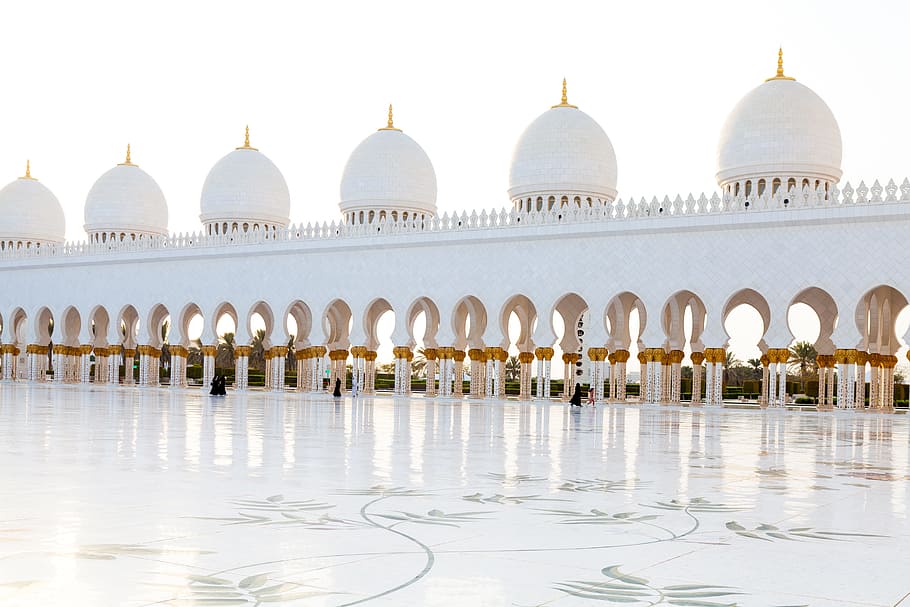
Photo source: Islamic imagery collection
Taraweeh prayers in Ramadan cover one juz (one thirtieth) of the Quran each night, working progressively through the entire book across 30 nights. But within that systematic progression, certain surahs appear more frequently than others: recited as opening verses, chosen for special nights, or repeated because of their particular spiritual weight in the month of fasting.
Knowing these surahs: their themes, their emotional register, and the key verses within them: transforms passive listening into active engagement. And AyahFinder can identify any of them within seconds, even in live mosque recitation.
Al-Fatiha: The Opening (Surah 1)
You will hear this one 20 times every night: it opens every rakah of prayer. Al-Fatiha is the prayer within the prayer, a complete conversation with Allah compressed into 7 verses. It is not simply a ritual opener; it is a map of the entire Quran's themes: praise of Allah, His mercy and sovereignty, our total dependence on Him, and our need for guidance.
When you stand and the imam begins "Bismillahir-Rahmanir-Rahim," you are hearing the most recited words in human history. Learn its translation by heart. It changes every salah.
Al-Baqarah: The Cow (Surah 2)
The longest surah in the Quran. Taraweeh typically begins the Quran here on the first night and covers multiple pages each session. Al-Baqarah covers the nature of guidance and misguidance, the story of Bani Israel, laws of fasting (including the Ramadan fast specifically in verse 2:183), marriage, debt, and the unparalleled ending: Ayat al-Kursi (2:255) and the final two ayahs (2:285–286).
The surah takes roughly 2.5 hours to hear in full. By night 3 or 4 of taraweeh, your mosque will likely have completed it. Use AyahFinder on the first few nights to stay oriented within this long surah.
Al-Imran: The Family of Imran (Surah 3)
Follows Al-Baqarah in taraweeh. Its central themes are the nature of truth versus falsehood, the story of Maryam (Mary), the birth of Isa (Jesus), the Battle of Uhud and what it teaches about trusting Allah in apparent defeat, and the importance of mutual consultation in the Muslim community. One of its most recited sections in taraweeh is the opening 18 verses: a powerful meditation on Allah's absolute knowledge.
Featured Article
Surah Ya-Sin: The Heart of the Quran (Surah 36)
Many imams choose to recite Ya-Sin in special contexts during Ramadan: Laylat al-Qadr preparations, the last 10 nights, or as a standalone recitation between sets. Its themes of the certainty of resurrection, divine sustenance of creation, and the fate of those who reject truth make it particularly resonant in Ramadan.
Verse 36:82: "His command when He wills a thing is only to say 'Be,' and it is": is one of the most beloved single ayahs in the Quran. AyahFinder users frequently identify this verse in standalone recitations at gatherings and iftar events.
Surah Al-Rahman: The Most Merciful (Surah 55)
Identifiable by its extraordinary melodic structure: the repeating verse "So which of the favors of your Lord do you deny?" appears 31 times. When this surah begins in taraweeh, the entire congregation often knows it by the third repetition of the refrain.
Al-Rahman is a meditation on divine mercy and the blessings embedded in creation: balance, the cosmos, the human being, sustenance, and ultimately paradise. It is one of the most emotionally moving surahs when recited by a skilled imam.
Surah Al-Mulk: The Sovereignty (Surah 67)
Frequently recited in the final rakahs of taraweeh, in witr, or in the last 10 nights. The Prophet ﷺ described it as interceding for its reciter. Its 30 verses move through the creation of the heavens and earth as proof of divine sovereignty, the fate of those who rejected truth, and the dependence of all creation on Allah's provision.
The opening verse: "Blessed is He in whose hand is dominion, and He is over all things competent": is one of the most recognized Quran openings and quickly identifiable even for those with limited Arabic.
Surah Al-Waqiah: The Inevitable (Surah 56)
The Prophet ﷺ said: "Whoever recites Surah Al-Waqiah every night will never be afflicted by poverty." It is widely recited in homes and by imams in the last 10 nights of Ramadan. Its vivid description of the Day of Judgment: dividing humanity into three groups (the foremost, the companions of the right, and the companions of the left): creates an emotional urgency that is palpable even in listening.
Surah Al-Kahf: The Cave (Surah 18)
Traditionally associated with Fridays, it is also frequently recited in Ramadan for its four key stories: the People of the Cave (faith and divine protection), the man with two gardens (gratitude vs. arrogance), Musa and Khidr (knowledge and divine wisdom), and Dhul-Qarnayn (just governance and the end of time).
Identifying Any Surah Instantly
The seven surahs above are the ones you will encounter most often. But taraweeh covers the entire Quran: and at any moment, the imam may be in a section you have never consciously identified before.
AyahFinder eliminates that uncertainty completely. Wherever you are in the Quran, whatever the imam is reciting, you can know the surah, ayah number, and full translation within seconds. Over 30 nights of taraweeh, this transforms from a useful tool into a genuine Quran education.
Frequently Asked Questions
Why do some imams recite certain surahs repeatedly rather than moving through the full Quran? Not all communities practice "khatm taraweeh" (completing the full Quran across 30 nights). Many imams recite shorter or favorite surahs, particularly in smaller communities where congregants are not familiar with the full text. Both approaches are valid.
Can I request specific surahs from my imam? You can certainly speak with your imam and share which surahs your community would benefit from hearing. Most imams are open to community feedback on their Ramadan recitation selection.
Why do I sometimes feel moved to tears during certain recitations? The combination of the maqam (melodic mode), the meaning of the verse, and the spiritual context of Ramadan creates a unique emotional environment. The Prophet ﷺ wept during Quran recitation: this is a sign of a living heart, not weakness.
Summary
The surahs of taraweeh are not anonymous Arabic words flowing past your comprehension. They are specific, purposeful, and profoundly meaningful: about the nature of faith, the mercy of Allah, the certainty of resurrection, and the community of believers you stand among. By knowing the surahs you will hear most often: and using AyahFinder to identify any verse in real time: you can engage with taraweeh this Ramadan as something genuinely transformative rather than something you simply endure.
Experience AyahFinder Today
Join millions of Muslims worldwide who use AyahFinder to instantly identify Quran recitations. Available on iOS and Android.
Download FreeTags
Related Articles

Ramadan While Traveling: How to Find Taraweeh, Maintain Your Quran Practice, and Use AyahFinder on the Go
March 9, 2026

Family Taraweeh at Home: How to Pray Together and Stay Connected to the Quran
March 4, 2026

The Voices of Ramadan: Identifying Famous Taraweeh Reciters With AyahFinder
February 27, 2026